by Whistle Blowers International | Nov 4, 2026 | Environmental Torts
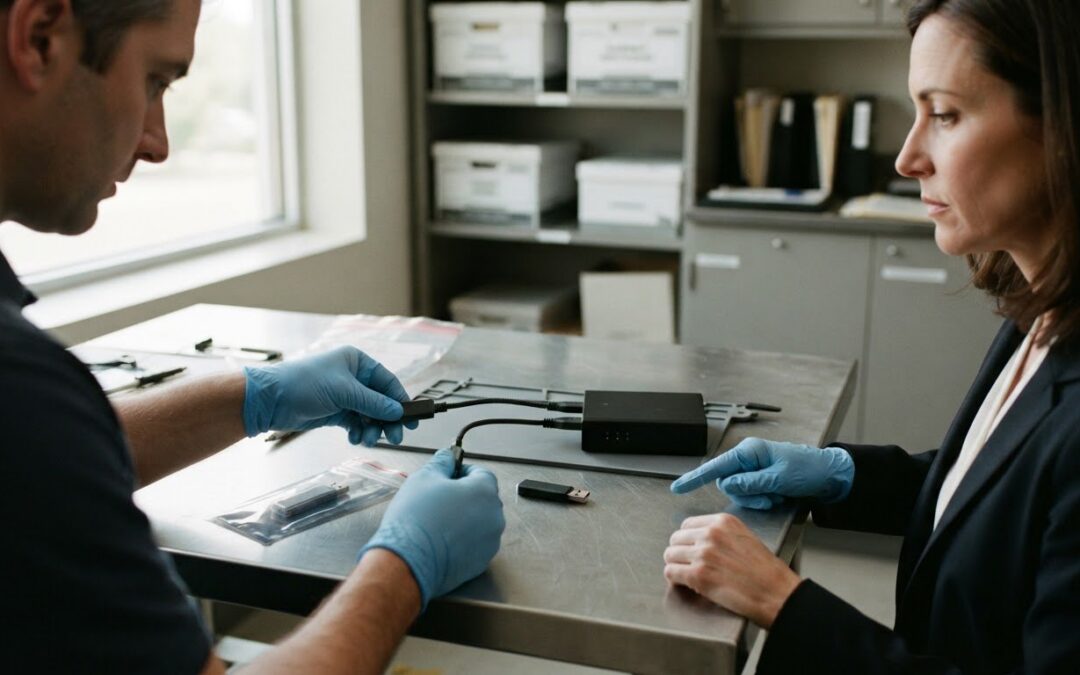
Quiet, methodical documentation is safer than confronting someone or accessing records you’re not authorized to see. The safest way to document fraud without getting caught is to preserve records you can lawfully access, note where they came from, and protect your...
by Whistle Blowers International | Nov 3, 2026 | Environmental Torts
Evidence is strongest when its original context survives. To learn how to gather evidence of fraud safely, preserve original emails with full headers, save online interactions and records without altering them, and document when and how you obtained each item....

by Whistle Blowers International | Nov 2, 2026 | Environmental Torts
A lawyer is not required for every federal whistleblower complaint, but a False Claims Act qui tam lawsuit must be filed through an attorney. The choice between DIY whistleblower filing vs hiring a lawyer depends on the program and the claim. Some programs allow...

by Whistle Blowers International | Nov 1, 2026 | Environmental Torts
A FinCEN whistleblower for AML violations may seek an award when information leads to a qualifying enforcement action. According to the Financial Crimes Enforcement Network, eligible whistleblowers may receive 10% to 30% of monetary sanctions collected in qualifying...

by Whistle Blowers International | Oct 31, 2026 | Environmental Torts
Evidence, not suspicion alone, gives a tax-fraud report substance. According to the Internal Revenue Service, eligible whistleblowers may generally receive 15 to 30 percent of collected proceeds when their information substantially assists a successful enforcement...

by Whistle Blowers International | Oct 30, 2026 | Environmental Torts
If you have a reasonable basis to suspect company fraud, reporting it may be appropriate. The Federal Trade Commission collects reports about companies, business practices, and identity theft under the FTC Act and other laws it enforces or administers. Whether you...